

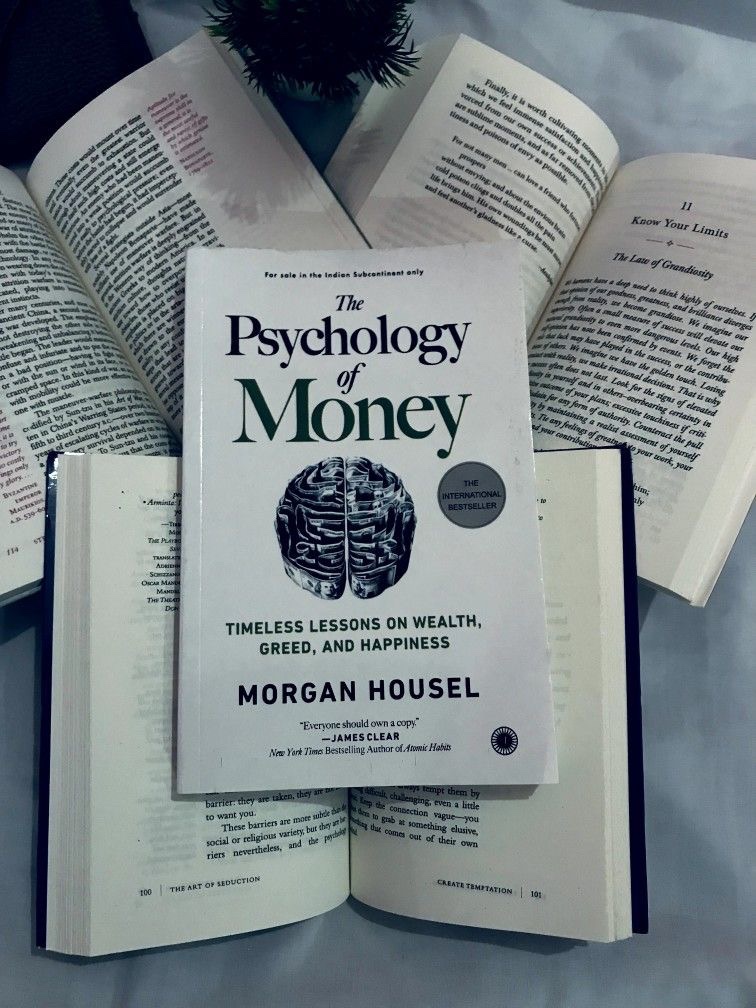
Welcome to our book blog, where we embark on a journey through the captivating world of literature and knowledge. Today, we are thrilled to introduce you to Morgan Housel, a renowned financial writer and the author of the thought-provoking book, “The Psychology of Money.”
Morgan Housel is a master storyteller who delves deep into the intricate relationship between humans and money. Through his engaging writing style, he weaves together the captivating narratives of real-life financial experiences, psychological biases, and timeless money lessons. With a keen eye for human behavior and a deep understanding of financial principles, Housel unravels the complexities of wealth, success, and happiness, offering profound insights that resonate with readers from all walks of life.
In “The Psychology of Money,” Housel challenges conventional wisdom and explores the often-overlooked psychological aspects that drive our financial decisions. With wisdom and humility, he reveals the significance of emotions, patience, and long-term thinking in shaping our financial outcomes. By debunking myths and shedding light on the true sources of wealth, this book empowers readers to develop a healthier, more balanced perspective on money and its role in life.
Now, let’s embark on an exciting 60-day journey of self-discovery and practical application. Over the next two months, we are committed to applying the invaluable lessons learned from “The Psychology of Money” in our daily lives. Each week, we’ll dive into a new chapter, engaging in thoughtful discussions and reflections on the book’s insights.
Throughout this period, we’ll challenge ourselves to identify and address our own psychological biases when it comes to money decisions. We’ll strive to cultivate patience and embrace a long-term mindset when managing our finances, understanding that true wealth is built over time through consistent, disciplined actions.
60 Day Money Journey



WHAT’S YOUR FAVOURITE COLOUR?
Moreover, we’ll take the opportunity to redefine our personal measures of success and wealth, aligning them with our unique values and aspirations. By questioning the conventional definitions of financial achievement, we’ll explore what truly matters most to us and how we can create a more meaningful and purpose-driven relationship with money.
As we embark on this enriching exploration together, we encourage open discussions, shared experiences, and mutual support. Through applying the profound teachings of “The Psychology of Money,” we hope to inspire positive changes in our financial habits, mindset, and overall well-being.
So, let’s seize this opportunity to grow, evolve, and transform our financial lives. Get ready to be enlightened, inspired, and empowered as we embark on this enlightening journey with Morgan Housel and “The Psychology of Money.” Together, let’s uncover the wisdom and insights that will empower us to make wiser, more mindful financial decisions and lead us toward a brighter financial future.

Time
The importance of time and patience in financial decisions is a fundamental pillar of the book. Housel emphasizes the power of compounding and the significance of adopting a long-term mindset when it comes to investing and wealth-building. Understanding the impact of time on financial outcomes allows readers to make informed decisions that can lead to long-term financial success.

Humility
This pillar explores the role of humility in money management. Housel emphasizes the need to recognize and accept the influence of luck and randomness in financial outcomes. By acknowledging that luck plays a significant part in our financial journey, readers can approach their finances with greater humility and adaptability, leading to more resilient decision-making.

Psychology
The psychological aspect of money and its influence on financial decision-making is a core focus of the book. Housel dives into the various psychological biases and behavioral patterns that can impact financial choices. By understanding these cognitive tendencies, readers can become more aware of their own biases and make more rational and objective financial decisions.

Adaptability
The final pillar centers on adaptability and flexibility in financial planning. Housel argues that life is unpredictable, and financial plans need to be adaptable to changing circumstances. Being open to adjusting strategies as situations evolve allows individuals to better navigate financial challenges and achieve their long-term goals.
Together, these four pillars provide readers with valuable insights into the multifaceted nature of money and its impact on our lives. By embracing the principles of time, humility, psychology, and adaptability, readers can develop a more thoughtful and resilient approach to managing their finances, leading to improved financial well-being and greater peace of mind.

