
Jasmine Morton-Thompson
Mastering Emotional Investing: How to Overcome Biases and Make Rational Financial Choices
Welcome to , where we delve into the fascinating world of financial decision-making. In this fast-paced and ever-changing landscape, emotions can sometimes wield considerable influence over our choices, particularly when it comes to investing. Welcome to the realm of emotional investing, where our feelings can cloud our judgment and steer us away from rational decision-making.
In this article, we will explore the intriguing concept of emotional investing and its impact on our financial choices. Emotional investing, also known as emotional investment, is a phenomenon wherein investors allow their emotions to guide their decisions, often overshadowing objective analysis. We’ll uncover the common biases that arise from our emotions and how they can lead to irrational choices.
However, we won’t stop at merely identifying the challenges. Instead, we’ll equip you with valuable insights and strategies to overcome emotional biases in investing. By understanding these psychological tendencies and learning how to navigate through them, you’ll gain the tools to make more rational and informed financial decisions.
Our ultimate goal is to empower you to become a more mindful and objective investor, capable of navigating the dynamic world of finance with greater clarity and confidence. Join us on this enlightening journey as we explore emotional investing and pave the way towards a more rational approach to financial choices. Let’s embark on this transformative exploration together, and unlock the secrets to becoming a more resilient and thoughtful investor.

The Impact of Emotions on Investment Decisions
Emotions play a significant role in investment decisions, often overriding rational thinking. Fear and greed are two emotions that frequently influence investors. Fear can lead to panic selling during market downturns, while greed can drive investors to take excessive risks in pursuit of high returns. These emotional reactions can result in significant losses and hinder long-term financial goals.
Additionally, studies have shown that emotional states, such as happiness or sadness, can impact investment decisions. For example, individuals experiencing positive emotions may become overconfident and take on more risk than necessary. Conversely, individuals in a negative emotional state may be overly cautious and miss out on potentially profitable opportunities.
Common Biases in Emotional Investing

This bias occurs when investors seek information that supports their pre-existing beliefs while ignoring contradictory evidence. For example, an investor who believes that a particular stock will perform well may focus only on positive news about that company, disregarding any negative indicators.

This bias stems from the fear of losses, leading investors to hold onto losing investments for longer than necessary. They hope that the investment will eventually turn around and avoid the pain of realizing a loss. This can result in missed opportunities and decreased overall portfolio performance.

Overcoming Biases in Emotional Investing



Strategies for Making Rational Financial Choices



Resources for Mastering Emotional Investing



Books:
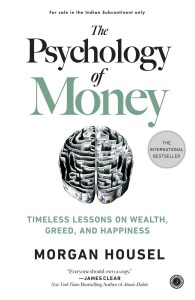
“Thinking, Fast and Slow” by Daniel Kahneman and “The Psychology of Money” by Morgan Housel are excellent reads for understanding the psychology behind investing and managing emotions.
Online Courses:
Platforms such as Coursera and Udemy offer online courses on behavioral finance, investment psychology, and managing emotions in investing.
Financial Websites and Blogs:
Websites like Investopedia and Morningstar provide comprehensive information on investing, including articles and resources on emotional investing.
In conclusion, emotional investing can indeed be a formidable challenge, but it doesn’t have to be a roadblock in your financial journey. By acknowledging the existence of common biases and their potential effects, you’ve already taken the first step towards mastering emotional investing.
Armed with newfound awareness, you can implement strategies for rational decision-making, ensuring that your financial choices are grounded in thoughtful analysis rather than impulsive emotions. Seeking financial education and professional advice can further empower you to make informed and sound investment decisions.
Remember, emotions are an integral part of being human, and it’s natural to experience them in various aspects of life, including investing. However, when it comes to managing your finances, it’s crucial to remain in control and let knowledge and rationality guide your path.
So, are you ready to embark on this journey of mastering emotional investing? Embrace the power of knowledge and rational thinking as your greatest assets in the dynamic world of investing. Equip yourself with the tools to navigate the financial markets with confidence and strive towards achieving your long-term financial goals.
As you continue on your investing path, remember that each decision is an opportunity to apply your newfound insights and grow as a more thoughtful and resilient investor. By staying mindful of emotional biases and focusing on rationality, you’ll be better prepared to navigate the complexities of the financial landscape, making decisions that align with your financial aspirations.
Thank you for joining us on this enlightening exploration of emotional investing. As you move forward, remember that knowledge, education, and seeking professional advice will be your allies in making sound financial choices. Here’s to your success as you continue to take charge of your financial future with confidence and prudence. Happy investing!


Leave a Reply